"Sugar-free" can mean a lot of things. Done right, it means three concrete, well-established benefits: sweetness that doesn't spike blood sugar, sweetness that doesn't feed cavities, and sweetness that's comfortable to digest. Here's the science behind each.
1. Zero on the glycemic scale
The glycemic index measures how much a food raises blood glucose. Pure glucose sits at 100, table sugar (sucrose) at about 65. The sweeteners in a clean modern blend — erythritol, monk fruit, and stevia — sit right at the bottom at zero. They aren't metabolized for energy the way sugar is, so blood glucose stays flat and there's no insulin spike.
2. Tooth-friendly by mechanism, not by luck
Tooth decay follows a predictable chain: oral bacteria ferment sugar → they produce lactic acid → mouth pH drops below the critical 5.5 threshold → acid strips minerals and erodes enamel → the surviving plaque thrives. Break any link and the chain fails.
Sugar-free sweeteners break the very first link. There's no fermentable substrate for the bacteria to work on — no sugar to ferment means no lactic acid, no pH crash, and no enamel erosion. Starved of fuel, plaque-forming colonies can't build up the same way. This is what non-cariogenic means, and it's a mechanism, not a coincidence.
With sugar
Ferment → acid → erosion
Bacteria turn sugar into lactic acid; pH drops below 5.5 and enamel loses minerals.

Sugar-free
No fuel, no acid
No fermentable sugar means no acid drop — enamel integrity stays intact.
3. Comfortable digestion — better than older polyols
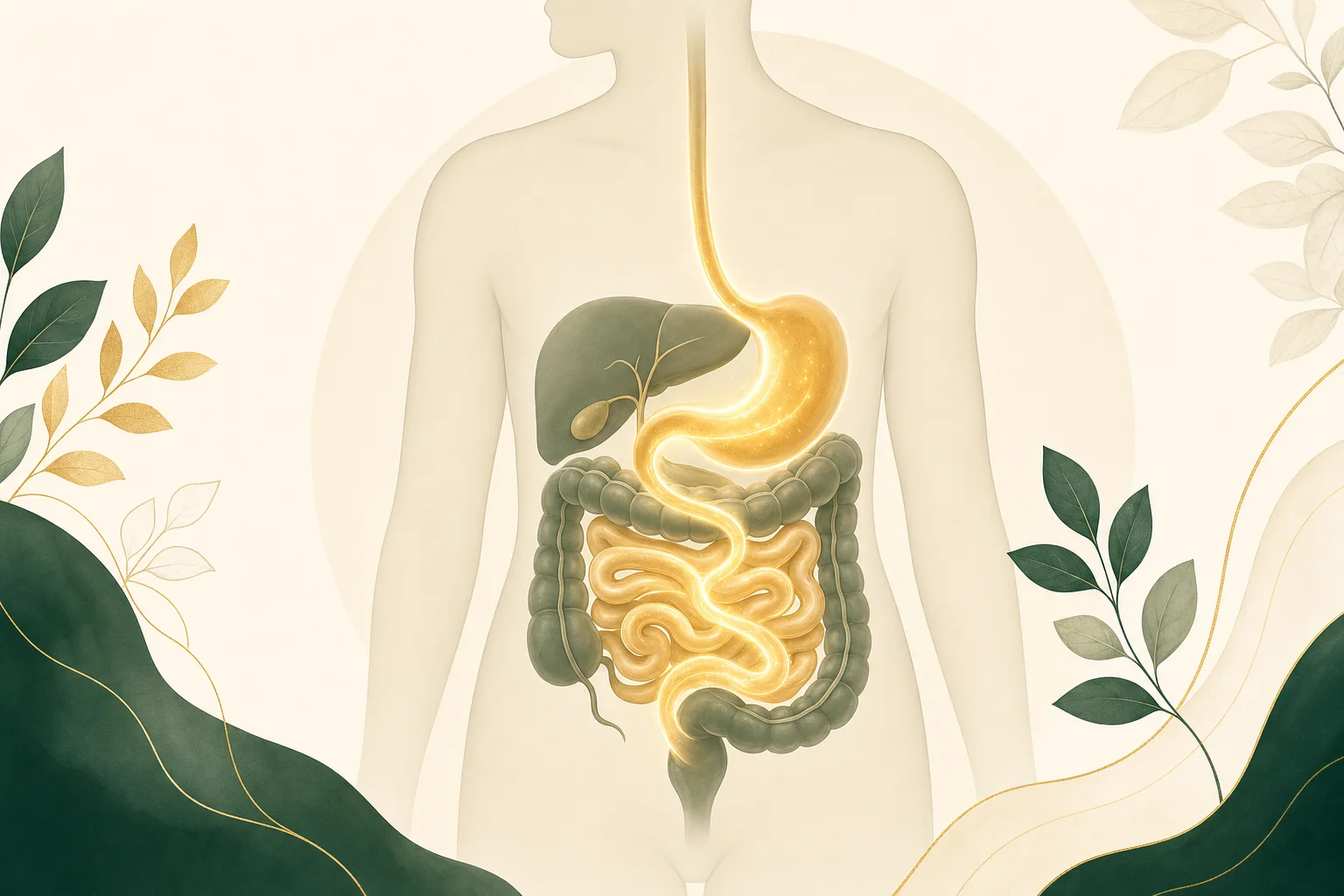
Not all sugar alcohols are equal. Older polyols like sorbitol, maltitol, and xylitol are only partly absorbed; the rest reaches the colon, draws in water, and ferments — which is what causes the bloating and laxative effect people associate with some sugar-free products.
Erythritol behaves differently. More than 90% is absorbed early in the small intestine and excreted unchanged, rather than fermenting in the colon. That's why its digestive tolerance is substantially higher than the older polyols. And because monk fruit and stevia are used in such tiny amounts, they add no meaningful digestive load at all.
Older polyols
Reach the colon
Partly absorbed; the remainder ferments and draws in water, causing bloating in some people.
Erythritol
Absorbed early
Over 90% is absorbed in the small intestine and excreted unchanged — a notably gentle profile.
Zero glycemic
GI of zero — no blood-sugar spike, no insulin response.
Tooth-friendly
Non-cariogenic: no fermentable sugar, so no enamel-eroding acid.
Gentle digestion
Erythritol is absorbed early; high tolerance vs older polyols.
Clean taste
A blend designed for sugar-like mouthfeel and no lingering aftertaste.
The short version
Sugar-free done right is zero on the glycemic scale, non-cariogenic by mechanism, and comfortable to digest. That's the standard the Swezee blend is built to.
That's the full picture: monk fruit and stevia for clean, potent, zero-glycemic sweetness, and erythritol for body, a smooth finish, and a gentle digestive profile. Smart food science, working as a team — so you get sweetness, done right.